




Expandable Container House Buyer’s Guide: Sizes, Costs & Setup
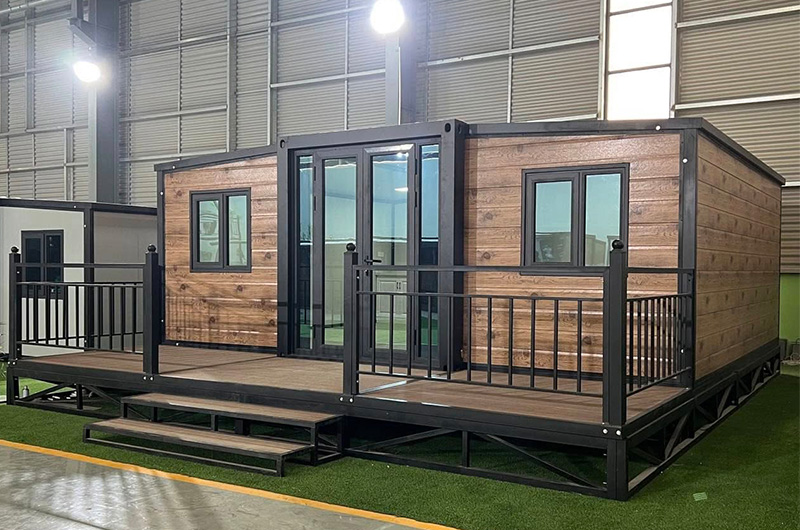
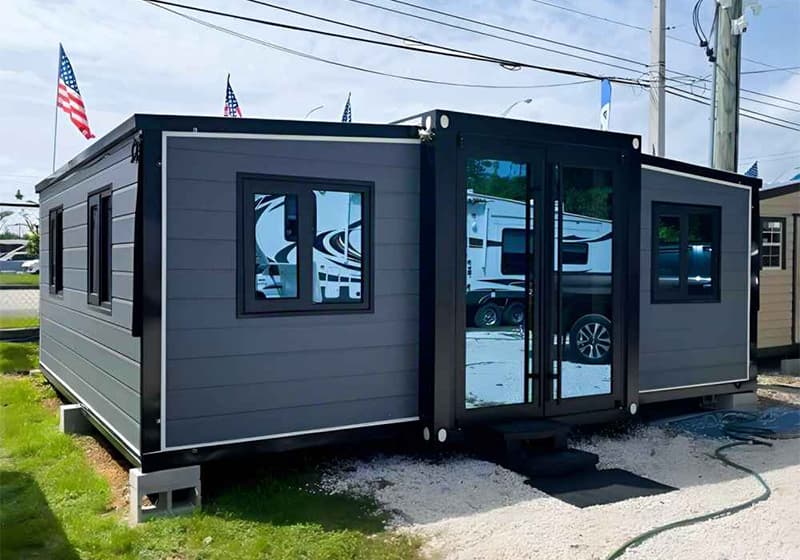
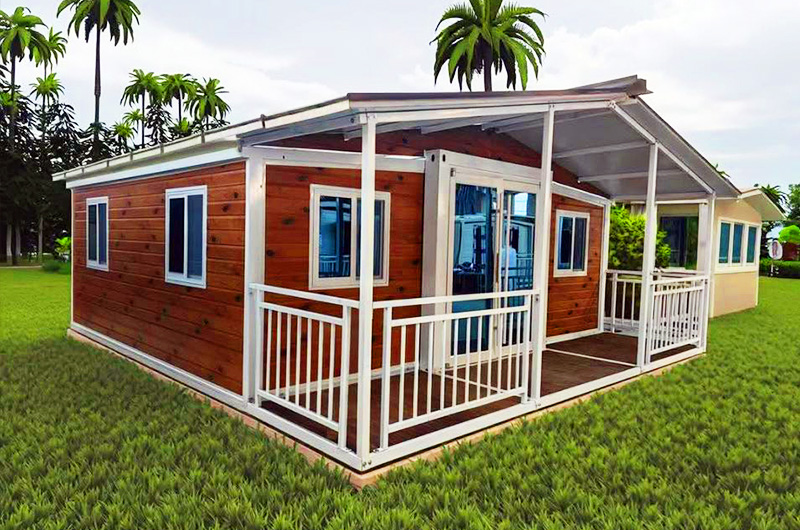
Expandable houses trade a compact transport form for a larger deployed footprint. The buying decision should cover closed and open dimensions, opening direction, room layout, supports, seals, service connections, crane access and the available working area. Size labels alone do not establish bedroom count, weight, loading quantity or final price.
When the approach can fit
This route can be worth studying when its space, transport form, site process and operating model match the brief. It is not automatically the best option because it is prefabricated, portable or visually distinctive.
When to compare another route
Compare another system when the site lacks safe access or deployment space, the required rooms do not fit, repeated relocation is unrealistic, local approval is uncertain or the destination cannot provide the foundations, utilities, lifting and qualified labor described in the plan.
Cost and schedule without false promises
A useful budget separates the unit, structural or material options, openings, finishes, services, furniture, packing, freight, import, unloading, crane, foundations, connections, permits and installation. A useful schedule separates design approval, procurement, production, inspection, dispatch, transit and site work. Only the final quotation and contract confirm values and dates.
Evidence to request before approval
Ask for the current drawing revision, material and finish schedule, dimensions and mass for the chosen layout, applicable design inputs, inspection plan, available test or certificate evidence, packing information and a responsibility matrix. Local professionals and authorities must confirm permits and code compliance.
Information that makes a quote useful
Send the country and city, site photos and access dimensions, intended use, number of users, quantity, preferred rooms, climate inputs, utility requirements, target timing and which local works the buyer can provide.